

As the chill of winter settles into the Chattanooga area, homeowners and business managers alike start noticing the familiar draft from their windows and the subsequent spike in heating bills. Up to 30% of your home's heating energy can be lost through inefficient windows, turning them into thermal holes that drain your budget. But what if you could transform them into a barrier that keeps the warmth in and the cold out?
This guide explores the 10 best ways to insulate windows, moving beyond temporary fixes to permanent, high-ROI solutions. We'll compare everything from advanced nano-ceramic window films to traditional methods, providing a clear roadmap for residents and businesses within a 45-60 mile radius of Chattanooga, TN, to achieve a warmer, more energy-efficient space this season. When exploring ways to seal your windows, a variety of diverse window insulation solutions are available, from films to seals and blinds, each with unique benefits.
Our goal is to demystify the options available in the Chattanooga market and provide actionable, educational insights for every scenario, whether you manage a downtown office, a retail storefront, or your family home. We will focus specifically on residential and commercial applications, offering the expert guidance needed to make an informed decision. You’ll learn about the R-value, costs, and unique advantages of each method, helping you choose the right strategy to stop paying to heat the outdoors and start enjoying a more comfortable, cost-effective winter. Let's dive into the most effective solutions to fortify your property against the cold.
1. Nano-Ceramic Window Film
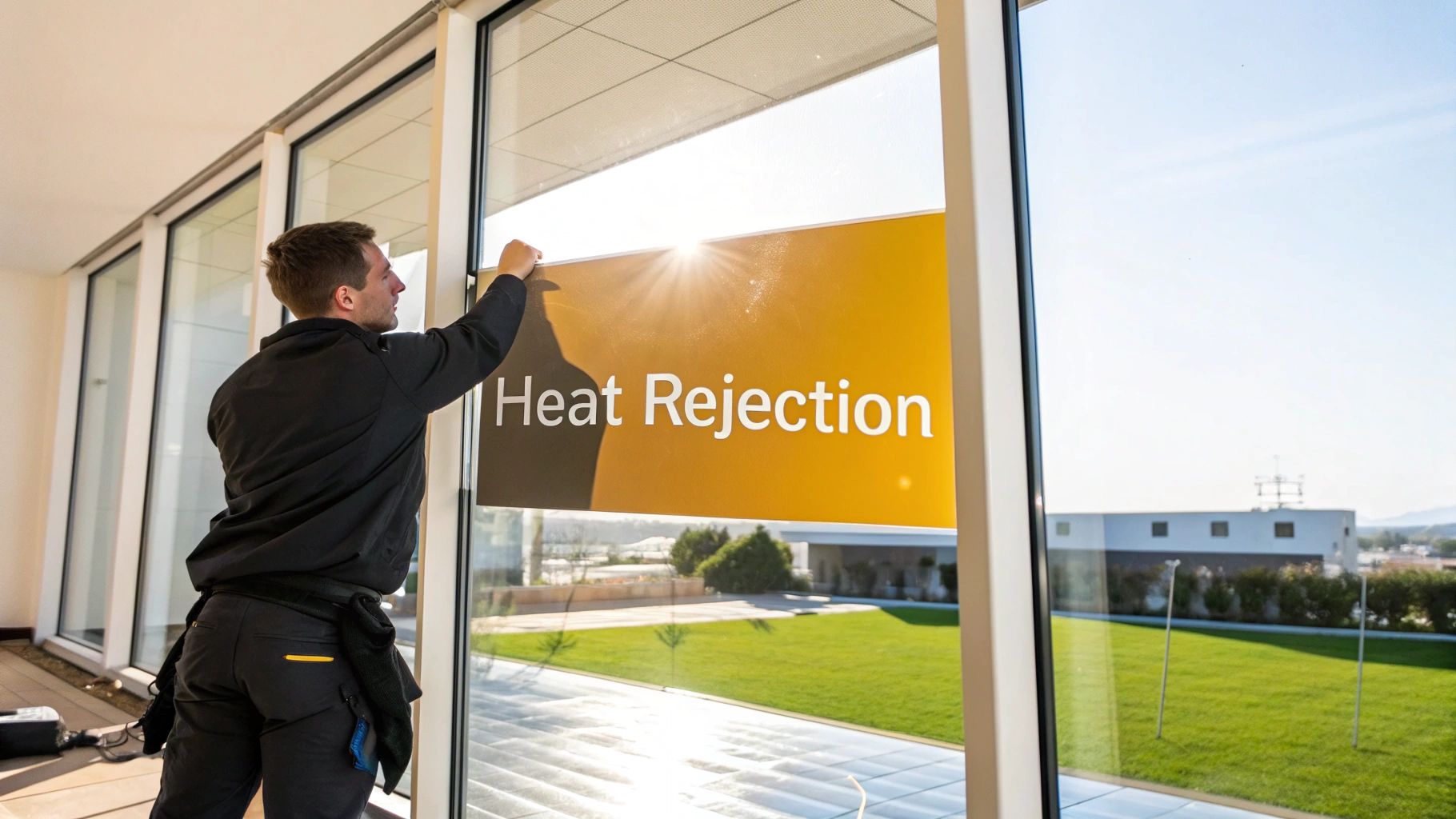
Nano-ceramic window film is a high-tech solution that provides exceptional insulation for windows year-round. This advanced film embeds microscopic ceramic particles into a durable polyester base, creating a powerful thermal barrier without using reflective metals. In winter, this film acts like a thermal blanket on your glass, reflecting interior heat generated by your furnace back into the room, which significantly reduces the conductive heat loss that makes rooms feel chilly.
This technology is one of the best ways to insulate windows because it offers a dual benefit: retaining heat in colder months and rejecting solar heat during hot Chattanooga summers. Unlike older metallic films, nano-ceramic technology is non-conductive and won't interfere with Wi-Fi, cell phones, or other electronic signals, making it ideal for modern homes and commercial buildings.
Why Choose Nano-Ceramic Film?
The key advantage is maintaining optical clarity while delivering powerful thermal performance. Many Chattanooga homeowners use premier films from manufacturers like XPEL to lower winter heating costs without sacrificing natural light. Commercial properties, from offices to retail storefronts, also benefit by maintaining consistent interior temperatures, reducing glare for employees, and protecting merchandise from UV fading.
Actionable Tips for Installation
- Professional Consultation: A certified installer can perform an energy audit to recommend the optimal film balancing winter insulation and summer heat rejection. To explore these benefits further, you can learn more about ceramic coatings for homes.
- Choose the Right Tint: Lighter tints, with a 35-50% Visible Light Transmission (VLT), are excellent for retaining heat without significantly darkening your rooms.
- Verify Your Installer: Ensure your installer is certified, like Solar Sentinel is with XPEL in the Chattanooga area, to validate the product's lifetime warranty.
- Allow for Curing: Plan for a 3-5 day curing period after installation for the film's adhesive to fully bond and achieve maximum clarity and thermal performance.
2. Dual-Pane Replacement Windows with Low-Emissivity (Low-E) Coating
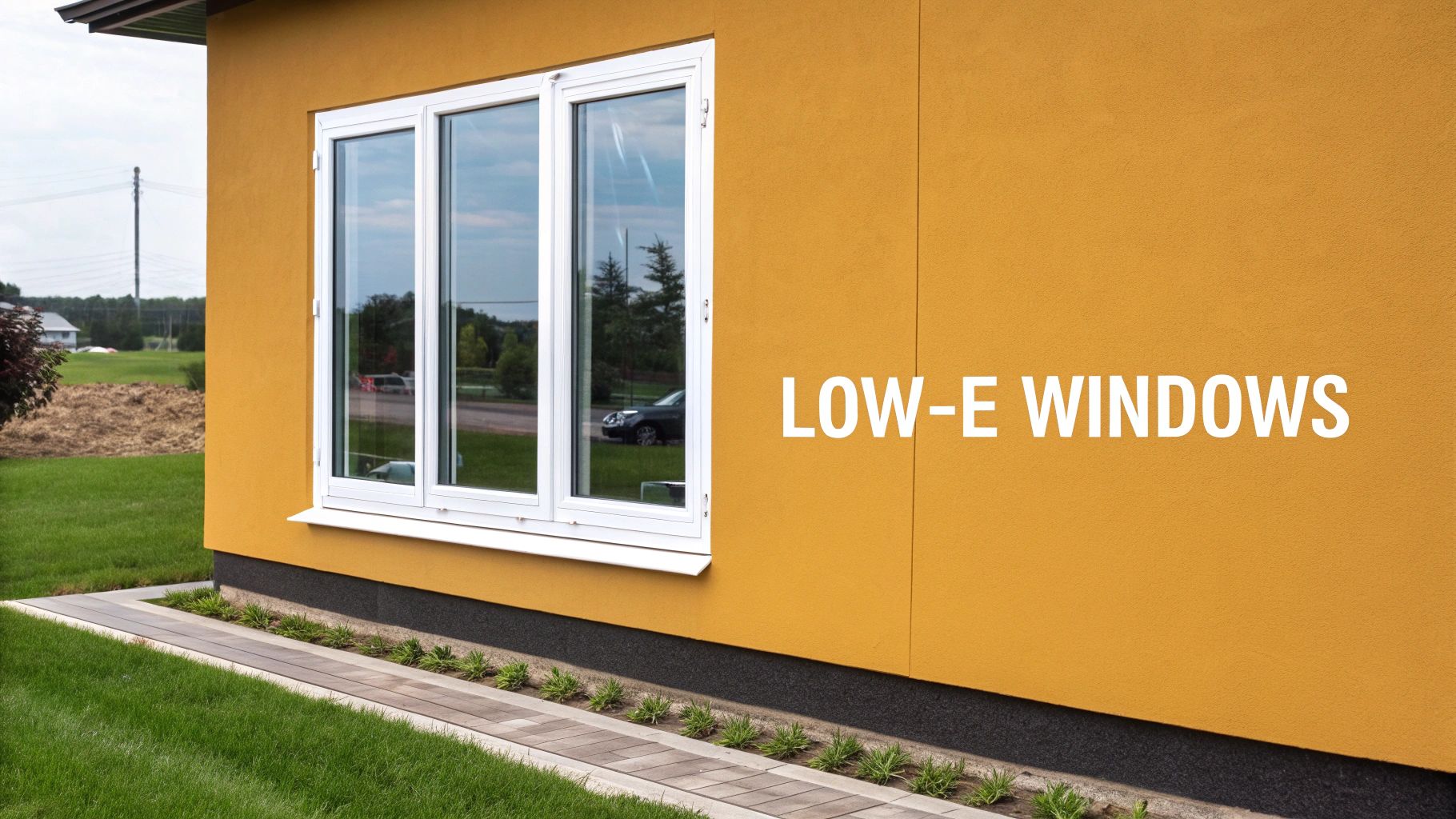
Replacing old, single-pane windows with modern dual-pane units is one of the most comprehensive upgrades for insulating your property. These windows feature two layers of glass separated by a sealed pocket of air or inert gas like argon, which acts as a powerful thermal insulator. The addition of a microscopic, invisible Low-Emissivity (Low-E) coating takes this efficiency even further by reflecting thermal energy, keeping your furnace-generated heat inside during Chattanooga's cold winters and blocking solar heat during the summer.
This combination of a gas-filled gap and a heat-reflective coating significantly reduces both conductive and radiative heat transfer, making it one of the best ways to insulate windows for long-term energy savings. ENERGY STAR certified residential projects and new commercial office buildings frequently specify Low-E dual-pane windows as a baseline for achieving high energy-efficiency standards and ensuring consistent, comfortable indoor temperatures.
Why Choose Low-E Replacement Windows?
The primary advantage of this solution is its holistic and permanent improvement to your building's thermal envelope. Unlike temporary fixes, replacement windows address the entire window assembly, including the frame and seals, eliminating drafts and heat loss points. For both residential homes and commercial properties, this investment translates directly into lower HVAC costs, enhanced comfort, and reduced outside noise.
Actionable Tips for Installation
- Combine with Window Film: For maximum performance, layer a professional nano-ceramic window film over new Low-E windows. This can boost energy efficiency by an additional 20-30%, adding superior solar control and UV protection.
- Verify ENERGY STAR Certification: Always select windows that are ENERGY STAR certified for your specific climate zone to ensure optimal performance and qualify for potential tax credits or local rebates.
- Ensure Proper Installation: The performance of a new window depends heavily on its installation. Hire a reputable contractor to ensure the unit is perfectly sealed, preventing any air or moisture leaks around the frame.
- Consider Solar Heat Gain: The window's Solar Heat Gain Coefficient (SHGC) is crucial. A lower SHGC is better for blocking summer heat. You can explore how this metric impacts your energy bills to learn more about SHGC in windows and make an informed choice.
3. Reflective Window Film (Mirrored/Metallic Film)
Reflective window film, often called mirrored or metallic film, offers a powerful solution for insulating windows by aggressively rejecting solar heat. This film is engineered with microscopic metallic particles that create a highly reflective surface, effectively bouncing solar radiation away from the glass. In the winter, this metallic layer works to reflect interior heat back into the room, reducing radiant heat loss and helping to maintain a more consistent, comfortable temperature.
This method is one of the best ways to insulate windows, especially in commercial settings where managing solar heat gain is a top priority. Its mirrored exterior appearance provides exceptional daytime privacy while drastically cutting down on cooling costs during hot Chattanooga summers. While its primary strength is solar heat rejection, its ability to retain indoor heat makes it a valuable year-round energy-saving tool for businesses and certain residential applications.
Why Choose Reflective Film?
The main advantage of reflective film is its unparalleled solar energy rejection, which translates into significant HVAC savings and glare reduction. It's an ideal choice for commercial properties like downtown Chattanooga office buildings, retail storefronts, and industrial facilities that face intense sun exposure. The reflective quality also offers a high degree of daytime privacy, preventing outsiders from seeing in while occupants enjoy a clear view out.
Actionable Tips for Installation
- Check Local Regulations: Before installation, verify any HOA rules or local building codes that may restrict the use of highly reflective exterior surfaces.
- Prioritize Professional Install: A professional application ensures the film is correctly positioned with the reflective side outward for maximum efficiency and avoids bubbles or imperfections.
- Consider Tint and Aesthetics: While classic silver is most common, bronze and gold tints are available to offer a warmer, more aesthetically pleasing look for your building's exterior.
- Pair with Interior Treatments: For added insulation and to soften the interior aesthetic, combine reflective films with interior options like cellular shades or thermal curtains.
- Plan for Neighborly Courtesy: Be mindful that the reflection may impact adjacent properties. A quick conversation with neighbors can be a considerate step, especially in dense residential areas.
4. Spectrally Selective Window Film
Spectrally selective window film is an advanced solution designed for maximum natural light preservation while delivering powerful insulation. This film uses sophisticated optical technology to target and block specific wavelengths of the sun's energy, primarily infrared (heat) and ultraviolet (UV) rays, while allowing a high percentage of visible light to pass through. In winter, it helps trap radiant heat inside, reducing the workload on your heating system and making rooms feel more comfortable.
This technology is one of the best ways to insulate windows because it offers a nearly invisible barrier against energy loss without altering the appearance of your glass. For Chattanooga properties where maintaining bright, clear views is critical, spectrally selective films provide exceptional thermal performance. This makes them perfect for high-end retail storefronts, office buildings, and homes that want to reduce energy bills without sacrificing daylight.
Why Choose Spectrally Selective Film?
The primary advantage is achieving superior heat control with unmatched optical clarity. Museums and galleries use these films to protect sensitive displays from UV damage, while restaurants can maintain inviting views for customers without uncomfortable heat or glare. In Chattanooga homes, this film is ideal for living rooms or kitchens with large windows, blocking solar heat in the summer and retaining furnace heat in the winter, all while keeping the space feeling open and bright.
Actionable Tips for Installation
- Prioritize Light Over Tint: When consulting with an installer, specify a high Visible Light Transmission (VLT) of 60% or more to ensure your rooms remain bright and welcoming.
- Target Problem Windows: This film is especially effective on east- and west-facing windows that receive intense direct sunlight and contribute to significant temperature fluctuations.
- Request a Professional Analysis: A certified installer can use a light transmission meter to show you exactly how different films will perform on your specific windows before you commit.
- Opt for Neutral Tones: Choose films with neutral color rendering to maintain the architectural integrity of your building and ensure colors viewed through the glass remain true.
5. Cellular Shades and Honeycomb Insulation
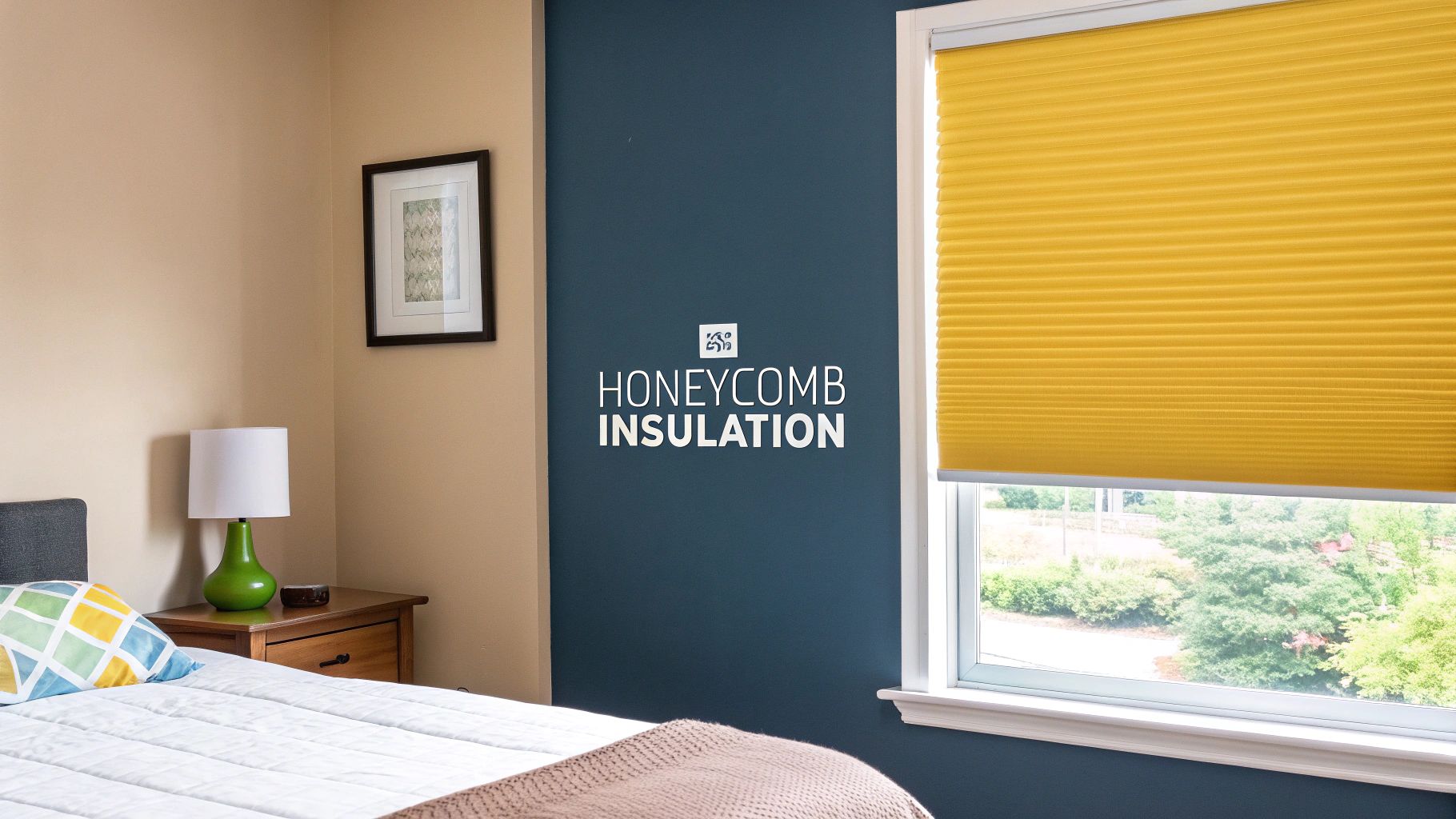
Cellular shades, often called honeycomb shades, are an excellent interior solution for window insulation. Their unique design features pockets of trapped air within a honeycomb-like cellular structure, creating a powerful insulating barrier. This dead air space significantly reduces both conductive and convective heat transfer through the glass, keeping your rooms warmer in the winter and cooler in the summer.
This method is one of the best ways to insulate windows because it combines practical function with aesthetic appeal. Available in single, double, or even triple-cell configurations, these shades offer varying levels of insulation (R-value) and light control. They work exceptionally well as a standalone solution or can be layered with window films to create a comprehensive thermal management system for your home or business.
Why Choose Cellular Shades?
The primary advantage of cellular shades is their high R-value relative to other window treatments, providing significant energy savings. For Chattanooga homeowners, this means lower heating bills during cold winter months. Commercial properties, from offices to retail stores, use motorized cellular shades for automated energy management, reducing HVAC strain while maintaining a comfortable environment for employees and customers.
Actionable Tips for Installation
- Maximize Insulation: For the highest R-value, choose double-cell or triple-cell shades, as their additional air pockets provide superior thermal resistance.
- Ensure a Snug Fit: Measure your windows precisely and install the shades as close to the glass as possible to minimize air gaps around the edges where heat can escape.
- Layer for Efficiency: Combine cellular shades with a high-performance window film. This pairing can boost your window's overall energy efficiency by an additional 25-30%, creating a year-round barrier against heat loss and solar gain.
- Consider Automation: Use motorized shades with programmable schedules. Setting them to lower automatically at dusk in the winter helps trap the day's warmth inside overnight.
6. UV-Blocking Clear Film and Anti-Fading Protection
UV-blocking clear film is a specialized window treatment designed to filter out nearly all harmful ultraviolet radiation without altering the appearance of your glass. This advanced film blocks over 99% of UV rays, the primary cause of fading, while allowing more than 90% of visible light to pass through. It acts as a transparent shield, protecting valuable interior furnishings, hardwood floors, artwork, and merchandise from irreversible sun damage.
This solution is one of the best ways to insulate windows against the specific damage caused by UV light. While its direct thermal insulation properties are more modest compared to nano-ceramic films, its ability to prevent solar-induced degradation is invaluable for preserving the life and color of your interior assets. For Chattanooga homes with sun-facing rooms or businesses with display windows, it offers essential protection year-round.
Why Choose UV-Blocking Clear Film?
The main advantage is achieving maximum protection with complete optical clarity. Museums and art galleries rely on this technology to safeguard priceless collections, while high-end retailers use it to keep merchandise in pristine condition. In a residential setting, it protects everything from family photographs and custom draperies to expensive furniture, preventing the fading and discoloration that occurs even on cloudy winter days.
Actionable Tips for Installation
- Prioritize Vulnerable Areas: Target installation on windows that receive direct sunlight, especially east and west-facing windows where UV exposure is most intense.
- Request UV Transmission Data: Ask your installer for documentation confirming the film’s performance, specifically its UV-blocking percentage (which should be 99% or higher).
- Combine for Complete Protection: For windows where heat and glare are also concerns, this clear film can be layered with other high-performance films to create a comprehensive solution.
- Consult a Professional: A certified expert can assess your specific needs to ensure the film is applied correctly for flawless, long-lasting protection. For a deeper understanding, you can explore the benefits of UV-blocking window film.
7. Insulating Window Shutters and Storm Panels
Insulating shutters and storm panels offer a robust, manually controlled method for boosting window thermal performance. This approach involves adding a solid barrier, either internally or externally, that creates an extra layer of insulation. Insulated interior shutters often feature a solid-core construction with materials like polyurethane foam, which significantly raises the window's R-value when closed, trapping furnace-heated air inside during cold Chattanooga winters.
This method is one of the best ways to insulate windows because it provides adjustable, high-level thermal resistance. Removable exterior storm panels add a second pane of glazing and a sealed air gap, drastically reducing conductive heat loss through the original window. Both solutions are particularly effective for seasonal climates, allowing homeowners to maximize insulation during the coldest nights and open them up to let in sunlight during the day.
Why Choose Shutters or Storm Panels?
The primary advantage is the combination of high thermal performance with aesthetic and functional control. In Chattanooga, historic properties can maintain architectural authenticity with period-appropriate shutters, while homes in mountain regions benefit from durable exterior storm panels during harsh winter weather. Modern homes can even incorporate motorized systems from brands like Hunter Douglas for automated night closure, maximizing energy savings without daily effort.
Actionable Tips for Installation
- Choose the Right Type: Install internal shutters for year-round aesthetic appeal and ease of use. Opt for external storm panels in areas that face extreme seasonal temperature swings and high winds.
- Ensure a Tight Seal: The effectiveness of shutters and panels relies on a snug fit. Ensure weather stripping around the frame is in excellent condition to prevent drafts and create a dead air space.
- Consider Automation: For ultimate convenience and energy optimization, motorize your shutters. Systems from innovators like Lutron can be programmed to close automatically at dusk, locking in your home’s warmth.
- Regular Maintenance: Keep tracks and seals clean for smooth operation and to maintain the integrity of the insulating barrier. A tight seal is critical for performance.
8. Laminated Safety Glass with Interlayer Insulation
Laminated safety glass is an engineered solution that combines structural integrity with notable insulating benefits. This type of glass consists of two or more panes bonded together with a durable interlayer, often made from polyvinyl butyral (PVB) or a specialized acoustic resin. While primarily known for safety and security, this interlayer also acts as a thermal break, slowing the transfer of heat and helping to keep your home or business warmer during the cold Chattanooga winter months.
This method is one of the best ways to insulate windows when safety and soundproofing are as important as thermal performance. The interlayer holds the glass together if it shatters, providing a significant security advantage. It also effectively dampens sound vibrations, creating a quieter indoor environment, and blocks over 99% of harmful UV rays, protecting interiors from fading without any additional films.
Why Choose Laminated Safety Glass?
The primary advantage is its multi-functional performance. It offers a permanent, built-in solution that enhances security, reduces noise, and improves insulation simultaneously. In Chattanooga, commercial buildings like downtown retail storefronts, schools, and churches use laminated glass to meet safety codes while also benefiting from reduced energy costs and merchandise protection. For residential applications, it's an excellent choice for homes in busy areas or where security is a top priority.
Actionable Tips for Implementation
- Specify Your Interlayer: For maximum sound reduction in addition to thermal benefits, request a specialized acoustic resin interlayer.
- Create a Complete System: For superior performance, pair laminated glass with a low-E coating and argon gas fill in a double- or triple-pane unit to create a comprehensive insulation package.
- Verify Security Ratings: If security is your main goal, ask for the glass's impact-resistant rating to ensure it meets your specific needs.
- Check Building Codes: Before installation, verify that the specified laminated glass complies with local Chattanooga building and safety codes for your intended application.
- Enhance with Film: For even greater winter insulation, professional-grade nano-ceramic window film can be applied over laminated glass to further reduce heat loss.
9. Argon and Krypton Gas Fills in Multi-Pane Windows
When replacing windows, selecting multi-pane units with an inert gas fill is one of the most powerful upgrades for thermal performance. Manufacturers fill the sealed space between two or three panes of glass with a dense, slow-moving gas like argon or krypton instead of regular air. These invisible gases are significantly better insulators because their density and thermal conductivity characteristics drastically slow the convective currents that transfer heat between the panes, effectively creating a thermal buffer.
This method is one of the best ways to insulate windows because it directly combats conductive and convective heat loss, keeping your home warmer in winter and cooler in summer. Argon is the industry standard for most residential and commercial windows in the Chattanooga area, offering a substantial performance boost over air at a minimal cost. Krypton, being even denser, is a premium option often used in triple-pane windows or when the gap between panes must be very narrow.
Why Choose Gas-Filled Windows?
The primary advantage of gas fills is achieving a high R-value without bulky or visually intrusive solutions. For new construction or window replacement projects in Chattanooga, specifying argon-filled dual-pane windows is now a baseline for meeting modern energy codes. This technology works synergistically with other features like Low-E coatings to create a complete, high-performance window system that significantly reduces heating and cooling costs year-round.
Actionable Tips for Implementation
- Specify Gas Fills: When ordering new windows, always ensure argon gas fill is included. The small additional cost provides a massive return on investment through energy savings.
- Combine with Low-E Coatings: For maximum efficiency, pair an argon gas fill with a Low-E coating. The gas slows convective heat loss while the coating reflects radiant heat back into your home.
- Verify Certification: Look for windows with ENERGY STAR or National Fenestration Rating Council (NFRC) labels. These certifications validate the window's performance claims, including the presence of the gas fill.
- Alternative for Existing Windows: If you aren't replacing your windows, applying a high-quality nano-ceramic window film can provide a comparable insulating benefit by reducing radiant heat loss through your existing glass.
10. Combination Approach: Multi-Layer Window Insulation Strategy
A multi-layer strategy combines several insulation techniques into one comprehensive system, delivering the highest possible thermal performance. This approach attacks heat loss from all angles by layering solutions that address conduction, convection, and radiation. A typical high-performance system might start with a foundational layer of nano-ceramic window film and add complementary solutions like cellular shades, thermal curtains, or even frame replacements for a truly holistic defense against energy loss.
This method is one of the best ways to insulate windows because it creates synergistic benefits, where the combined effect is greater than the sum of its parts. For example, a nano-ceramic film reflects radiant heat back into your Chattanooga home, while cellular shades trap a layer of air, preventing convective heat loss. This integrated system can reduce total thermal loss by an impressive 50-70%, maximizing both energy savings and interior comfort.
Why Choose a Multi-Layer Strategy?
The key advantage is achieving peak energy efficiency that a single solution cannot offer. High-performance residential projects aiming for net-zero energy status often rely on this layered approach. Similarly, retrofitting older commercial buildings in Chattanooga with a combination of advanced window film and modern shades can cut energy costs by 40-60%, demonstrating a powerful return on investment and a commitment to sustainability.
Actionable Tips for Installation
- Start with a Film Foundation: Begin with a professional installation of nano-ceramic window film. It offers a high ROI, provides immediate UV protection and glare reduction, and serves as the primary barrier against radiant heat loss.
- Layer with Shades or Curtains: In a second phase, add cellular shades or thermal curtains. This step can boost insulation efficiency by an additional 15-20% by trapping air against the glass.
- Plan Frame Upgrades: If you're planning a major renovation, incorporate windows with thermal-break frames and low-E glass to tackle conductive heat loss directly through the frame materials.
- Schedule an Energy Audit: Work with a professional consultant like Solar Sentinel to design the optimal combination for your specific building, climate, and budget, ensuring each component works in harmony.
Top 10 Window Insulation Methods Comparison
| Solution | Implementation Complexity 🔄 | Resource & Cost Requirements ⚡ | Expected Outcomes 📊 | Ideal Use Cases ⭐ | Key Advantages 💡 |
|---|---|---|---|---|---|
| Nano-Ceramic Window Film | Moderate — professional install; 3–5 day cure | Higher initial cost than basic film; minimal structural work | ⭐⭐⭐⭐ — Up to 25–40% cooling reduction; 99% UV; preserves visibility | Residential, commercial offices, retail, electronics-friendly environments | High heat rejection without RF interference; long warranty; maintains natural light |
| Dual‑Pane Replacement Windows with Low‑E | High — full window replacement; weeks timeline | High upfront cost ($5k–$15k+ per home); construction labor required | ⭐⭐⭐⭐ — Permanent U‑factor ≤0.30; large heating/cooling savings | New construction, major renovations, high‑performance homes | Long‑term energy savings; reduces drafts/noise; increases property value |
| Reflective Window Film (Mirrored/Metallic) | Moderate — retrofit; professional fit recommended | Lower cost than nano-ceramic; fast install; no structural work | ⭐⭐⭐ — Highest solar reflectance; strong daytime privacy; potential RF interference | Commercial storefronts, warehouses, hot climates prioritizing heat rejection | Maximum heat/UV rejection; cost‑effective; good daytime privacy |
| Spectrally Selective Window Film | Moderate–High — precise specification and skilled install | Higher cost than metallic film; retrofit‑friendly | ⭐⭐⭐⭐ — ~30–35% cooling reduction; high VLT (50–70%); limits glare | Retail, restaurants, offices, museums needing daylight + heat control | Best balance of heat rejection and natural light; neutral appearance |
| Cellular Shades / Honeycomb Insulation | Low–Moderate — DIY or pro; quick install | Moderate cost; motorization adds expense; no structural work | ⭐⭐⭐ — R‑values ~2–4; reduces drafts and noise; improves comfort | Bedrooms, offices, hotels; paired with films for layered performance | Passive insulation, light control, removable and adjustable |
| UV‑Blocking Clear Film | Low–Moderate — simple retrofit; near‑invisible | Low cost; fast implementation; minimal resources | ⭐⭐ — 99% UV blocking; limited heat rejection (~20–30%) | Museums, galleries, retail displays, homes with valuable furnishings | Preserves aesthetics while preventing fading; adds shatter protection |
| Insulating Shutters & Storm Panels | Moderate–High — varies; motorization increases complexity | Moderate to high cost; material and installation; possible motorization | ⭐⭐⭐ — High thermal resistance when closed (R‑4 to R‑6) | Seasonal homes, historic properties, high‑security sites | Strong seasonal insulation, security, manual or automated control |
| Laminated Safety Glass with Interlayer | High — complete replacement; specialized fabrication | High cost ($30–$60+/ft²); professional install required | ⭐⭐⭐ — Safety + UV blocking; sound reduction; modest insulation alone | Schools, retail storefronts, high‑security or code‑required projects | Safety/security, UV protection, acoustic benefits; long lifespan |
| Argon / Krypton Gas Fills in Multi‑Pane Windows | High — requires new sealed multi‑pane units | Moderate premium for argon; krypton is costly; manufacturing seals | ⭐⭐⭐⭐ — 30–50% better than air; improved U‑factor; less condensation | New construction, energy‑efficient renovations, commercial buildings | Cost‑effective thermal improvement without visual change |
| Combination Approach (Multi‑Layer) | Very high — coordinated multi‑vendor, phased work | Highest total cost but phased option; design & installation overhead | ⭐⭐⭐⭐⭐ — 50–70% total thermal loss reduction; best overall comfort & ROI | High‑performance homes, commercial buildings, net‑zero projects | Maximizes efficiency and redundancy; customizable; highest long‑term ROI |
Your Next Step Towards a Warmer, More Efficient Space
Navigating the landscape of window insulation can feel complex, but as we've explored, the path to a more comfortable and energy-efficient property is paved with a variety of powerful solutions. From the structural strength of laminated safety glass to the impressive thermal performance of gas-filled multi-pane windows, each method offers a unique set of benefits. We've detailed how solutions like insulating shutters and cellular shades can provide on-demand insulation, while advanced technologies like Low-E coatings fundamentally change how your windows manage heat.
The central theme is clear: your windows are a critical component in your building's thermal envelope. Leaving them unaddressed is like leaving a door wide open to energy loss, high utility bills, and inconsistent indoor temperatures. Whether you manage a commercial property in downtown Chattanooga or own a home in the surrounding Tennessee Valley, mastering window insulation is not just about saving money; it's about creating a more stable, comfortable, and sustainable environment for your family, employees, or customers.
Key Takeaways for a Year-Round Strategy
The best ways to insulate windows are not just about battling the winter chill; they are about comprehensive, year-round climate control. A truly effective strategy acknowledges that the same window letting heat escape in January is also letting unwanted solar heat pour in during July.
Here are the most critical takeaways from our comprehensive guide:
- Proactive vs. Reactive: While temporary fixes like plastic film can offer short-term relief, long-term solutions like professional window film or new dual-pane windows provide continuous, passive benefits without seasonal effort.
- The Power of Layers: A combination approach is often the most effective. Pairing foundational upgrades like nano-ceramic film with decorative elements like thermal curtains creates a multi-layered defense against energy loss.
- Technology is Your Ally: Modern advancements, particularly in window film technology, have made it possible to achieve significant insulation without sacrificing natural light or your view. Spectrally selective and nano-ceramic films are prime examples of this, offering high performance in a virtually invisible package.
Your Actionable Path Forward
Understanding these options is the first step, but taking action is what transforms knowledge into savings. The most logical starting point for most property owners in the Chattanooga area is a solution that offers the highest ROI, immediate impact, and year-round performance. This is where professional window film truly excels.
Unlike more invasive and costly replacements, high-performance nano-ceramic window films can be installed on your existing residential or commercial glass, immediately going to work to reject summer heat and, crucially, retain interior warmth during the winter. This internal heat retention is a key benefit often overlooked. The film acts as an insulating barrier, reflecting the radiant heat from your furnace back into the room, meaning your heating system doesn't have to work as hard to maintain a comfortable temperature. This translates directly into lower energy bills from the moment of installation.
Expert Insight: For commercial facilities and homes alike, the non-disruptive installation and immediate performance of window film make it a powerful first-line-of-defense. It enhances your existing windows, turning them from a liability into a high-performance asset without the need for a full-scale renovation.
By starting with a foundational layer like nano-ceramic window film, you create a baseline of efficiency. From there, you can strategically add other elements like cellular shades or thermal curtains to further optimize your space, knowing your windows are already performing at a much higher level. Taking control of your property’s energy efficiency begins with a single, decisive step toward one of the best ways to insulate windows, and the benefits will be felt for decades to come.
Ready to transform your windows into an energy-saving asset this winter? Solar Sentinel Window Films & Tinting specializes in installing high-performance nano-ceramic films for residential and commercial properties throughout the Chattanooga area, offering one of the most cost-effective and powerful ways to insulate your windows. Visit our website to schedule a free energy consultation and discover how you can lower your heating costs and enhance your comfort today at Solar Sentinel Window Films & Tinting.